
Let’s be real—life throws curveballs all the time, and sometimes it feels like every challenge comes at once. From unexpected work problems to personal dilemmas that leave you unsure of what to do next, it can feel overwhelming. That’s where creative problem solving comes in. This isn’t just a fancy phrase or something reserved for experts. It’s a practical skill you can learn and practice, a way of looking at challenges differently, approaching problems from new angles, and finding solutions that actually work in real life. Whether you’re trying to manage a tough project, handle a tricky relationship, or even just figure out how to organize your day more efficiently, creative problem solving gives you tools to approach challenges with confidence and curiosity rather than frustration or stress. It helps you think beyond the obvious answers and encourages experimentation, reflection, and innovation. The best part is that anyone can develop this skill over time, and it often turns seemingly impossible problems into opportunities for growth and learning.
What Creative Problem Solving Really Means

Here’s the deal. Creative problem solving is about approaching challenges in a way that goes beyond the standard methods you might automatically reach for. It’s not about having an artistic talent or a sudden “aha” moment every time, but it is about being intentional in how you think. Instead of jumping to the first obvious solution, you take a step back, observe the problem from multiple angles, and explore different possibilities. It’s a mindset that encourages curiosity and flexibility, helping you combine ideas in ways you might not have considered at first. It’s also about testing and refining solutions, recognizing that the first answer might not be perfect but can still lead you closer to a better outcome. Essentially, it’s learning to trust the process of experimenting, iterating, and thinking outside the box in a practical, applicable way.
Common Challenges Beginners Face
Real talk: when you’re just starting with creative problem solving, it can feel intimidating. You might think that your ideas aren’t good enough, or that the challenges are too complex to tackle. Self-doubt often creeps in, leaving you worried that you’ll fail or that your solutions won’t make a difference. You might struggle with overthinking, getting stuck in analysis paralysis, or being afraid to take risks. That’s completely normal. Everyone starts somewhere, and feeling uncertain is part of the process. The key is to approach problems with an open mind, a willingness to experiment, and the understanding that mistakes are not failures but learning opportunities that strengthen your skills over time.
Steps to Start Creative Problem Solving
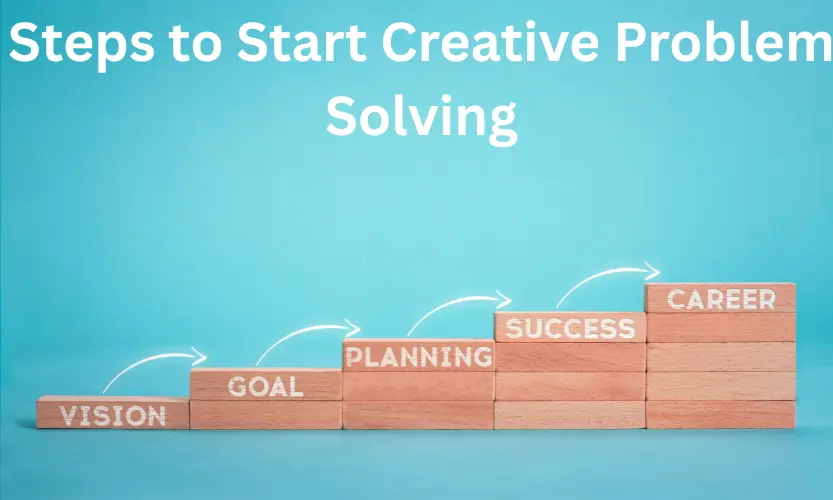
Here’s how to get started without overcomplicating things. First, understand the problem fully by asking yourself questions about what’s really happening, who or what is affected, and what success looks like. Getting a clear picture of the issue prevents wasted effort on solutions that don’t address the core challenge. Next, brainstorm freely without judging your ideas—no idea is too silly or unrealistic in this stage. Write everything down, because even seemingly small or odd ideas can spark something useful later. Once you have your ideas, look for patterns or connections that might combine different approaches into a stronger solution. Then, test your ideas on a small scale. Experimenting in a low-risk way helps you see what works and what doesn’t without creating stress or major consequences. Finally, reflect on the outcomes, learn from what happened, and adjust your approach as needed. This cycle of observe, brainstorm, test, and refine is at the heart of creative problem solving and is what helps beginners build confidence and results over time.
Tools and Techniques That Actually Help
There are practical techniques that make creative problem solving easier and more structured. Mind mapping is one: drawing a visual map of the problem and related ideas helps you see connections you might otherwise miss. The SCAMPER method is another: Substitute, Combine, Adapt, Modify, Put to another use, Eliminate, Reverse. It gives you a framework to manipulate problems and generate fresh ideas. Reverse thinking is also powerful—asking how you could make a problem worse can surprisingly lead to innovative solutions when you flip it back around. Brainstorming with friends or colleagues introduces new perspectives that can spark ideas you wouldn’t have thought of on your own. Even simple exercises, like changing your environment, taking short walks, or journaling thoughts and challenges, can trigger creativity and help you approach problems from a new angle.
How to Stay Motivated
Creative problem solving can be challenging, and it’s normal to feel stuck or discouraged at times. To stay motivated, celebrate small wins along the way, because even tiny steps forward build momentum and confidence. Taking breaks is important too; stepping away from a problem can refresh your perspective and allow new insights to emerge. Maintaining curiosity and treating challenges like puzzles rather than burdens keeps the process enjoyable and engaging. It’s also helpful to remind yourself that failure is not the opposite of success—it’s part of learning. Over time, these habits build resilience and make tackling problems feel less like a struggle and more like an opportunity for growth.
Applying Creative Problem Solving in Everyday Life
You don’t need a major crisis to practice these skills—creative problem solving shows up in everyday situations. At work, it helps you meet deadlines, improve processes, and pitch ideas in ways that stand out. At home, it can help you resolve conflicts, organize space, plan events, or even manage household routines more efficiently. For personal growth, creative problem solving helps tackle habits, plan finances, manage time, and approach self-improvement in practical, flexible ways. Every challenge, no matter how small, is a chance to practice thinking differently, experimenting with solutions, and refining your approach for better outcomes.
Common Mistakes to Avoid
Even experienced problem solvers fall into traps sometimes. Beginners often jump to the first solution they see without exploring alternatives, overthink every idea to the point of paralysis, ignore feedback from others, or let fear of failure stop them from trying new approaches. Being aware of these pitfalls helps you navigate challenges more effectively. Remember, the goal is not perfection but learning and growth. Observing patterns, experimenting safely, and reflecting regularly keeps your problem-solving skills sharp and adaptable.
You may also like these
Creative Ideas for Inspiration That Instantly Spark Original Thinking
Unique Creative Concepts That Spark Original Thinking and Bold Ideas
Creative Thinking Strategies That Unlock Powerful Ideas
Innovation and Creativity Tips to Spark Brilliant Ideas
Must-Try Ideas to Boost Creativity for Instant Inspiration
How to Make Creative Problem Solving a Habit
The best way to improve is through practice. Set aside regular time for reflection, brainstorming, and experimenting with ideas. Challenge yourself with small problems daily and use them as opportunities to think differently. Keep a journal of solutions, ideas, and lessons learned—even the ones that didn’t work—because this record builds a reference library of strategies you can return to. Surround yourself with people, resources, and environments that spark curiosity and encourage open-minded thinking. Over time, this consistency transforms creative problem solving from a skill you consciously practice into a natural way of approaching challenges in life.
Encouraging Conclusion
Here’s the deal: creative problem solving isn’t reserved for a few “naturally talented” people. It’s a skill anyone can build with patience, curiosity, and consistent practice. Challenges are not roadblocks—they’re opportunities to experiment, learn, and grow. Celebrate your small wins, reflect on what works, and don’t fear mistakes—they’re part of the journey. Keep exploring, stay curious, and approach every problem with an open mind. Use the following checklist to start applying these ideas right away: define your problem clearly, brainstorm freely, test ideas on a small scale, reflect and refine, and repeat consistently. With dedication and practice, you’ll notice yourself approaching problems with confidence, creativity, and flexibility, and over time, even complex challenges will feel manageable and exciting. creative problem solving
FAQs
What is creative problem solving?
Creative problem solving is a method of approaching challenges in innovative ways, finding solutions that go beyond traditional thinking and encourage fresh ideas.
Why is creative problem solving important in work and life?
It helps overcome obstacles efficiently, encourages innovation, improves decision-making, and enables individuals and teams to handle unexpected situations with confidence.
What are some techniques used in creative problem solving?
Techniques include brainstorming, mind mapping, lateral thinking, reverse thinking, and using frameworks like SCAMPER to generate unique solutions.
How can I improve my creative problem solving skills?
Practice thinking outside the box, embrace curiosity, expose yourself to diverse perspectives, challenge assumptions, and reflect on past problem-solving experiences.
Can creative problem solving be applied to teamwork?
Yes, it enhances collaboration by encouraging open communication, combining different perspectives, and generating solutions that are more innovative and effective than individual efforts alone.