
Let’s start with some honest real-life talk. Almost everyone, especially beginners, reaches a point where ideas just stop flowing. You sit down with motivation, maybe a notebook or a screen in front of you, and suddenly your mind feels empty. You start doubting yourself, wondering if you were ever creative to begin with. This moment is exactly why people search for creative ideas for inspiration. It’s not because they lack talent, but because daily stress, comparison, overthinking, and pressure slowly drain creative energy. Creativity doesn’t disappear, it just gets buried under expectations and noise. The good news is that inspiration is not something rare or special reserved for a few lucky people. It’s something you can gently invite back into your life with the right mindset, patience, and small changes in how you approach ideas.
Understanding Inspiration in a Simple Way

Inspiration is often misunderstood, especially by beginners. Many people think inspiration should arrive suddenly, like a perfect idea appearing out of nowhere. In reality, inspiration is much quieter and slower. It usually grows from curiosity, attention, and allowing yourself to explore without judgment. When you stop expecting big dramatic ideas and start appreciating small sparks, creativity becomes more accessible. Inspiration is not about being original all the time, it’s about noticing connections, emotions, and thoughts that already exist around you. Once you understand that inspiration is a process rather than a moment, you stop waiting and start engaging with your creative side more naturally.
Why Beginners Struggle With Creativity
Beginners often struggle not because they lack ideas, but because they carry too much pressure. Fear of being bad is one of the biggest creativity killers. When you’re new, every idea feels like it represents your ability, so you hesitate to start. On top of that, constant comparison makes things worse. Seeing polished work online can make you feel behind or incapable, even though you’re only seeing final results, not the messy process behind them. Another common issue is expecting perfection too early. Beginners often want their first attempt to be impressive, which creates stress and blocks experimentation. Creativity needs space to be imperfect, especially at the beginning.
Shifting Your Mindset to Invite Creativity
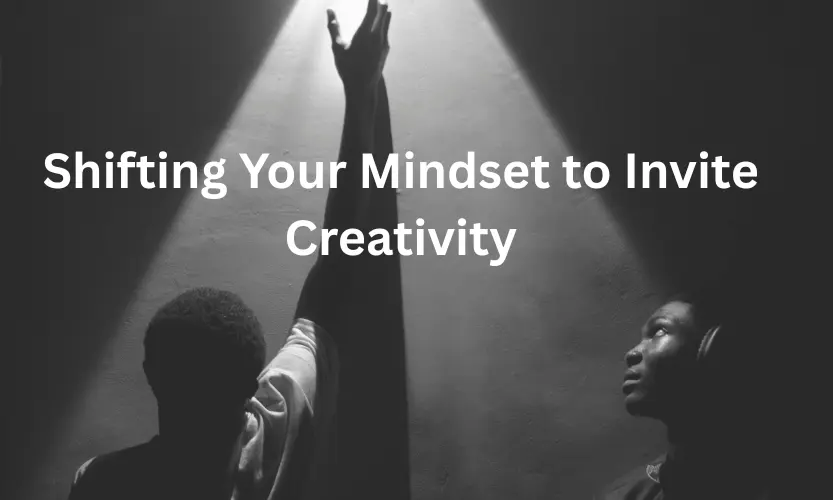
Changing how you think about creativity can make a huge difference. Instead of treating creativity like a test you need to pass, treat it like a conversation with yourself. Give yourself permission to explore ideas without worrying about the outcome. When you stop judging ideas too quickly, more of them appear. Redefining success also helps. Success doesn’t mean finishing something amazing every time. Sometimes success is simply showing up and trying. When you focus on progress instead of results, creativity feels safer and inspiration starts to return naturally.
Everyday Life as a Source of Ideas
You don’t need extraordinary experiences to feel inspired. Everyday life is full of creative material if you slow down enough to notice it. Simple conversations, routines, frustrations, memories, and emotions all carry creative potential. When something makes you feel strongly, whether happy, sad, confused, or curious, it’s worth paying attention to. Observing people, noticing patterns, and questioning why things are the way they are can spark ideas without any effort. Inspiration often hides in ordinary moments because they feel familiar and real.
Small Habits That Keep Ideas Flowing
Creativity thrives on consistency, not intensity. Waiting for the perfect moment rarely works. Starting small and regularly is much more effective. Even a few minutes a day spent creating, writing, sketching, or brainstorming keeps your creative mind active. Changing your environment can also refresh your thinking. A different workspace, a walk outside, or a new routine can help your brain see things from a new angle. These small habits build trust in your creative process and reduce the pressure to perform.
Using Curiosity Instead of Pressure
Curiosity is one of the most powerful tools for inspiration. Instead of asking yourself if an idea is good enough, ask what would happen if you tried it differently. Curiosity opens doors that pressure keeps shut. Following what feels interesting, even if it doesn’t seem useful at first, often leads to unexpected ideas. Allow yourself to explore random topics, learn new things, and go down mental rabbit holes. Creativity often emerges when unrelated ideas connect in surprising ways.
Dealing With Creative Blocks Gently
Creative blocks happen to everyone. They don’t mean you’ve failed or lost your creativity. Forcing ideas rarely works and often makes things worse. When you feel blocked, stepping away can be more productive than pushing harder. Doing something imperfect on purpose can break perfectionism and bring back a sense of freedom. Revisiting old ideas is another helpful strategy. Sometimes inspiration isn’t missing, it just needs a fresh perspective.
Building Confidence Through Practice
Confidence in creativity grows through action, not talent. Celebrating effort instead of results helps you stay motivated. Keeping a simple record of ideas, even unfinished ones, reminds you that creativity is always happening. Sharing your work with supportive people can also help, but only if it feels safe. Encouragement builds confidence, while harsh judgment can shut creativity down, especially for beginners.
Letting Creativity Be Light and Playful
Creativity doesn’t have to be serious to be meaningful. When things feel heavy, inspiration fades. Playfulness brings it back. Adding curiosity, humor, or experimentation into your creative process makes it enjoyable instead of stressful. Detaching your self-worth from your work is also important. Your ideas do not define your value as a person. When you separate who you are from what you create, inspiration flows more freely.
When Inspiration Feels Completely Gone
There will be times when creativity feels far away. This doesn’t mean it’s gone forever. Rest is an important part of the creative cycle. Burnout blocks inspiration faster than anything else. Allowing yourself to rest without guilt helps refill your creative energy. Trusting that ideas will return is key. Creativity moves in waves, and quiet periods often lead to deeper ideas later. Staying open instead of panicking keeps the connection alive.
You may also like these
Step-by-Step Innovation Guides for Beginners That Actually Work
How to Innovate Effectively: A Beginner’s Friendly Guide
Unlock Your Creativity with Innovation Strategies Explained
Unlock Your Potential with Creative Innovation Methods
Practical Innovation Tips for Beginners to Transform Your Ideas
Turning Ideas Into Action
Inspiration alone isn’t enough if it never turns into action. Waiting for the perfect plan often leads to procrastination. Starting messy and adjusting as you go builds momentum. Breaking big ideas into small steps makes them less overwhelming and easier to manage. Beginners often worry about finding their unique style, but style develops naturally through practice. The more you create, the clearer your voice becomes.
Encouragement for Beginners
You are more creative than you think. Creativity looks different for everyone, and comparison hides that truth. Consistency matters more than motivation because motivation comes and goes. Showing up regularly, even when energy is low, keeps creativity alive. Your ideas matter because they come from your experiences, and no one else has lived your life exactly the way you have
Finding inspiration is not about chasing big ideas or forcing creativity. It’s about slowing down, staying curious, and being kind to yourself throughout the process. When you remove pressure and allow space for experimentation, inspiration starts to feel natural again. Small steps, everyday moments, and gentle consistency lead to meaningful creative growth. Trust the process, stay open, and remember that creative ideas for inspiration are always closer than they seem.
FAQs
What does creative ideas for inspiration actually mean
It refers to thoughts, prompts, or concepts that help restart creativity when someone feels stuck or unmotivated.
Who usually searches for creative ideas for inspiration
Writers, artists, designers, content creators, students, and anyone wanting fresh thinking often look for this.
When is the best time to look for creative ideas for inspiration
People usually search for it during creative blocks, burnout, or when starting a new project.
Can creative ideas for inspiration help everyday life
Yes, they can improve problem-solving, confidence, and personal expression beyond artistic work.
Are creative ideas for inspiration useful for beginner
Absolutely, beginners often benefit the most because ideas help build confidence and direction.